

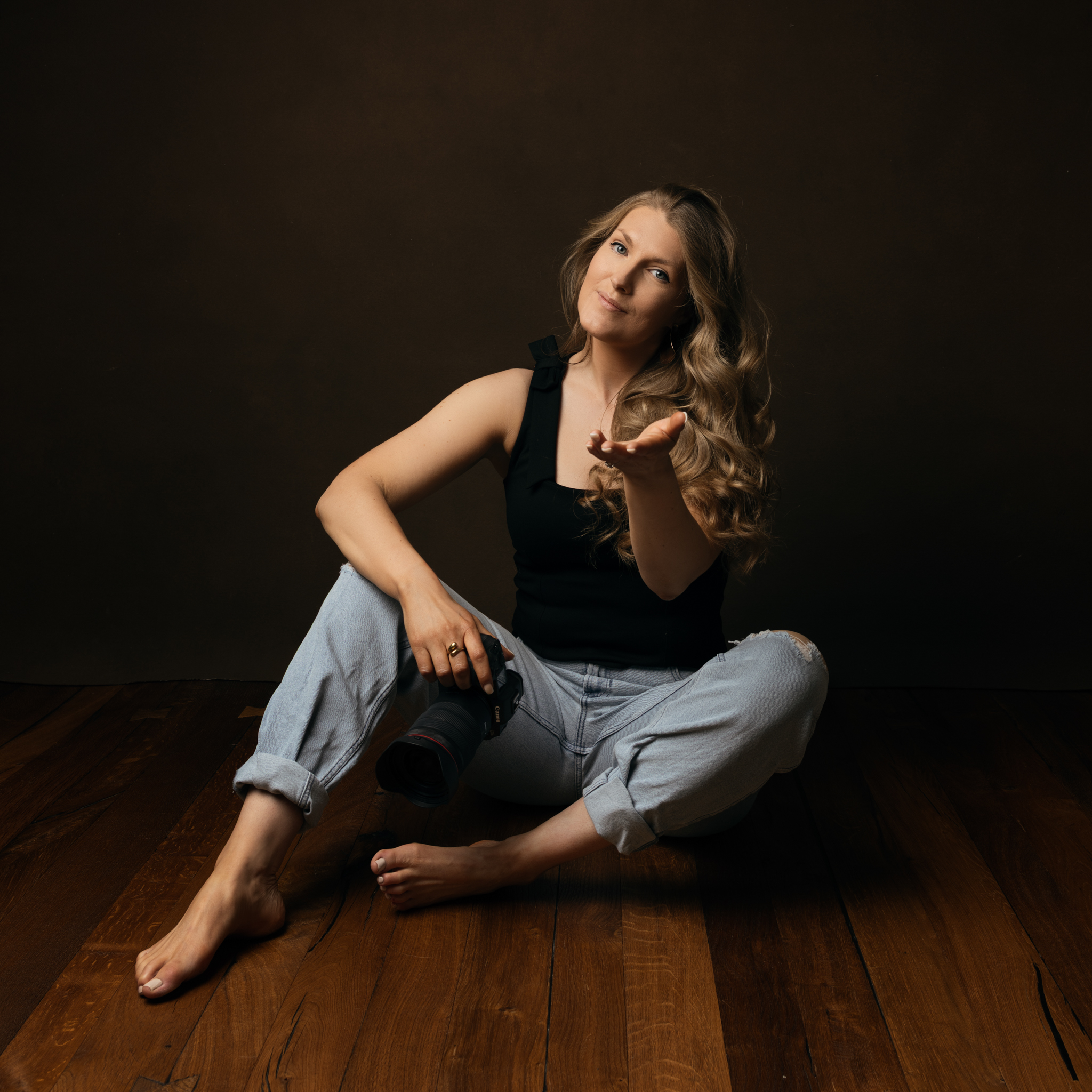
It is one of the most common things people say when they first reach out. Sometimes it comes early in the conversation, almost as a disclaimer. Sometimes it appears more quietly, tucked into a longer message about maybe wanting to do a session one day, but not feeling sure they are the kind of person who looks good in photos. “I’m not photogenic.”
It is rarely just a passing comment. Usually, it comes from experience. Most people have seen plenty of photographs of themselves that felt disappointing, awkward, or simply unlike how they hoped to be seen. A picture is taken quickly, the light is unflattering, the angle feels strange, and the result becomes one more piece of evidence supporting the idea that they are not someone who photographs well. After a while, that starts to feel less like a thought and more like a fact. The problem is that those photographs were never created to show you at your best in the first place.
Where that feeling usually comes from
Most of the images we are used to seeing of ourselves are taken in passing. A phone comes out at dinner. Someone takes a quick picture at a birthday. A partner snaps something without thinking much about the light, the angle, or how your body is positioned in the frame. The image exists for a moment, gets glanced at, and often gets judged just as quickly.
That kind of photography is part of everyday life, but it is also the reason so many people feel uneasy in front of a camera. When most of your reference points come from rushed, unplanned images, it makes sense that you would begin to believe those images are telling you something fixed and reliable. In reality, they are telling you almost nothing at all. They are showing you a split second, captured without intention, without guidance, and without any of the things that actually shape a strong portrait.
A portrait session is built differently
A portrait session does not rely on luck. It is not a matter of hoping for a flattering angle or catching one good frame out of many. The entire experience is built around creating the conditions for a strong image from the beginning. The light is chosen carefully. The environment is controlled. The pace is slower. Most importantly, you are not left alone to figure anything out for yourself. That changes everything.
You are guided throughout the session in small, steady ways. A shift of the shoulders. A turn toward the light. A hand moved slightly lower. A different way of sitting or standing that changes how the whole image feels. None of these things are dramatic on their own, but together they make a significant difference.
For that reason, a portrait session should never be compared to the kind of images people usually have in mind when they say they are not photogenic. They are not the same kind of photograph, and they do not ask the same things of you.
You are not expected to know how to pose
A lot of the fear around being photographed comes from the idea that you are supposed to arrive already knowing what to do. People often assume that those who look good in photos must naturally understand their angles, know what to do with their hands, and feel comfortable the moment a camera is pointed at them. If you have never felt that way, it is easy to believe you are missing something essential. But that is not how this works.
You are not expected to know how to pose before the session begins. You are not expected to perform, improvise, or somehow turn into a more camera-friendly version of yourself the moment you walk through the door. The session is designed to guide you into it gradually, in a way that feels manageable and human.
For most clients, the first few minutes feel a little unfamiliar. That is completely normal. You are standing in front of a camera, often in a way you are not used to, and it takes a moment to find your footing.
Then the session begins to take shape. You are guided through small adjustments, where to place your hands, how to shift your weight, how to turn slightly toward the light. As those details fall into place, the focus moves away from trying to look a certain way and toward simply following the direction you are given.
That experience often shifts more than people expect, something I describe in more detail here →
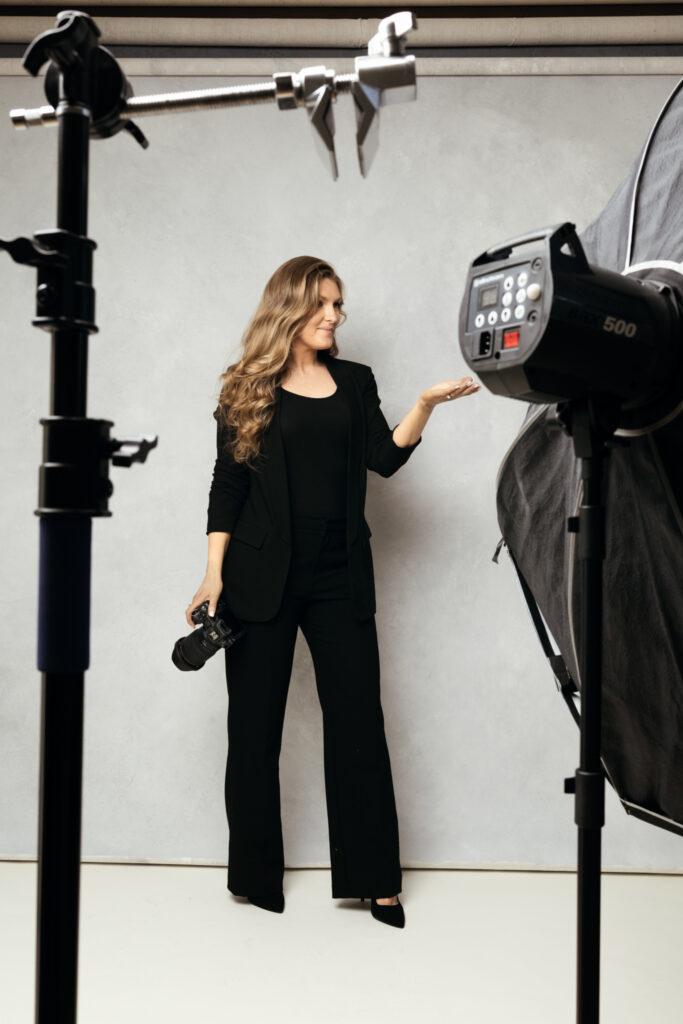
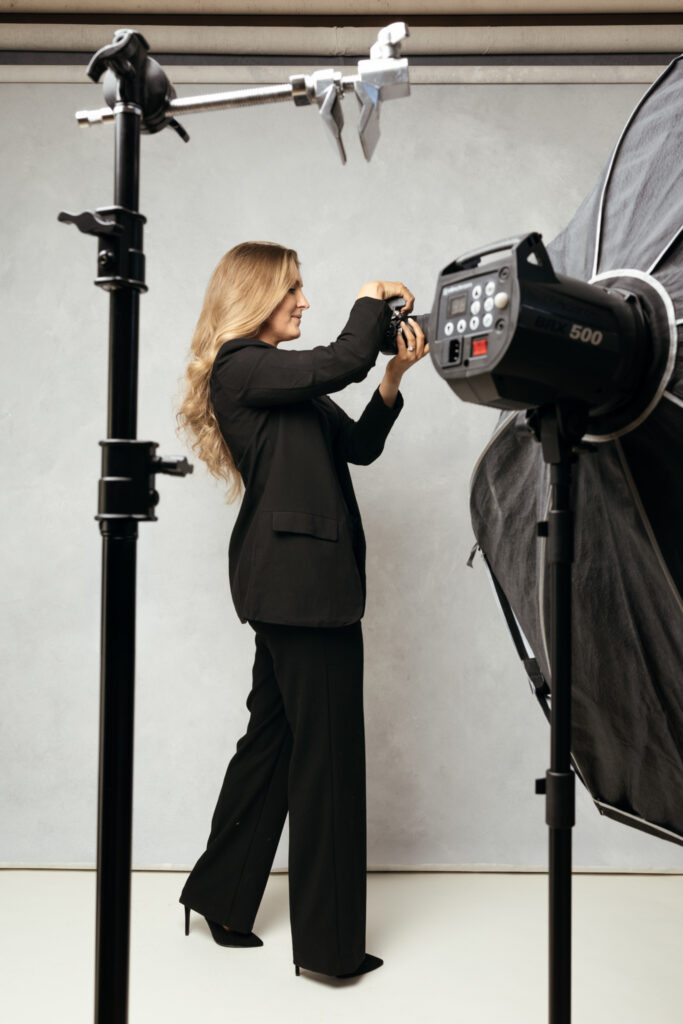
What people often mean when they say “photogenic”
The word itself can be misleading, because it makes the whole thing sound fixed. As if some people were simply born knowing how to exist beautifully in photographs while others were not. In practice, what people call photogenic is usually the result of a few very ordinary things coming together well. Light that falls in the right place. An angle that suits the face. Good posture. A relaxed expression. Clothing that works with the body instead of against it. A photographer who knows when to guide and when to wait.
When those elements are in place, the final portrait feels different. It reflects what happens when light, direction, and attention work together.
That is why I do not see photogenic as a physical quality someone either has or does not have. I see it as a belief that forms over time, shaped by the environments and experiences people have had in front of a camera.
The moment the idea begins to shift
There is often a point during a session where something becomes visible to the client in a new way. It usually happens when I briefly turn the camera around and show a single image on the back of the screen. It is not a finished portrait or something fully edited, just one frame as it is in that moment.
The reaction tends to follow a familiar pattern. There is a pause, often followed by a small laugh, and then some version of the same question. “Wait… is that really me?” What they are responding to is not a different version of themselves, but the effect of care, attention, and guidance coming together in the image. For many, it is the first time they have seen themselves photographed in a way that feels intentional rather than accidental.
That experience tends to stay with them. It introduces a different reference point, one that is not based on quick snapshots or unflattering angles, but on something created with time and direction. And with that, the idea of being “not photogenic” often starts to feel less certain than it did before.
Why past photos are not a fair comparison
This is one of the most important things to understand. If most of your experience with photos comes from spontaneous snapshots, awkward group pictures, or images taken in situations where no one was thinking about how the photograph would actually turn out, those images are not a fair basis for judgment. They were never designed to show you with care. A portrait session is.
It gives time to adjust. Time to guide. Time to notice what is working and build on it. It allows the photograph to be shaped deliberately instead of captured passively. When that process is in place, the result changes.
That does not mean every portrait session is about creating a fantasy or turning you into someone unrecognisable. It means giving the image the level of thought and attention it deserves. And when that happens, people often realise that what they had been blaming on themselves was never really about them at all. It was about the kind of photo they were used to seeing.
What actually matters
If you are wondering whether you can still do a portrait session when you do not feel photogenic, the answer is yes. What matters is not whether you already feel confident in front of a camera. It is not whether you know how to pose, whether you have had good photos taken before, or whether you feel naturally comfortable being looked at. What matters is simply a willingness to show up and let yourself be guided. That is enough.
The rest is built during the session itself. It happens through the light, the pacing, the conversation, the styling, and the many small adjustments that help the image come together. It happens when you stop trying to solve the whole thing in advance and allow yourself to move through it one step at a time.
That is often where confidence begins to show.
A different way of seeing yourself
For many clients, the most surprising part is not that the portraits look good, but that the images feel believable to them. There is often a sense of recognition in that. They are not looking at someone else or at an idealised version of themselves. They are looking at themselves seen clearly, often with more softness and presence than they are used to allowing. That is a very different experience from quickly judging a phone photo and moving on.
A strong portrait gives you more time with the image. It allows you to take it in properly, to stay with it a little longer than you normally would. And with that, your relationship to the photograph begins to change. The image no longer feels like something to dismiss, but something you can actually see.
If this is the thought that has been holding you back
Then you are far from alone. “I’m not photogenic” is often where the conversation begins, not where it ends. It is one of the most common hesitations people carry into a portrait session, and it is rarely the obstacle they believe it will be.
If you have been curious about doing a session but keep returning to that thought, it does not have to be solved perfectly before you take the next step. It is enough to be curious, to ask questions and to start with a conversation and see whether the experience feels right for you.
A quieter truth
Being photogenic is not a requirement you need to meet before you arrive. It is not something you have to bring with you or prove you already possess. It is created quietly through the way the session is built around you, through the guidance you receive, and through the care that shapes the final image.
That is why I never expect clients to show up already knowing how this will go. They only need to show up and allow the process to unfold.
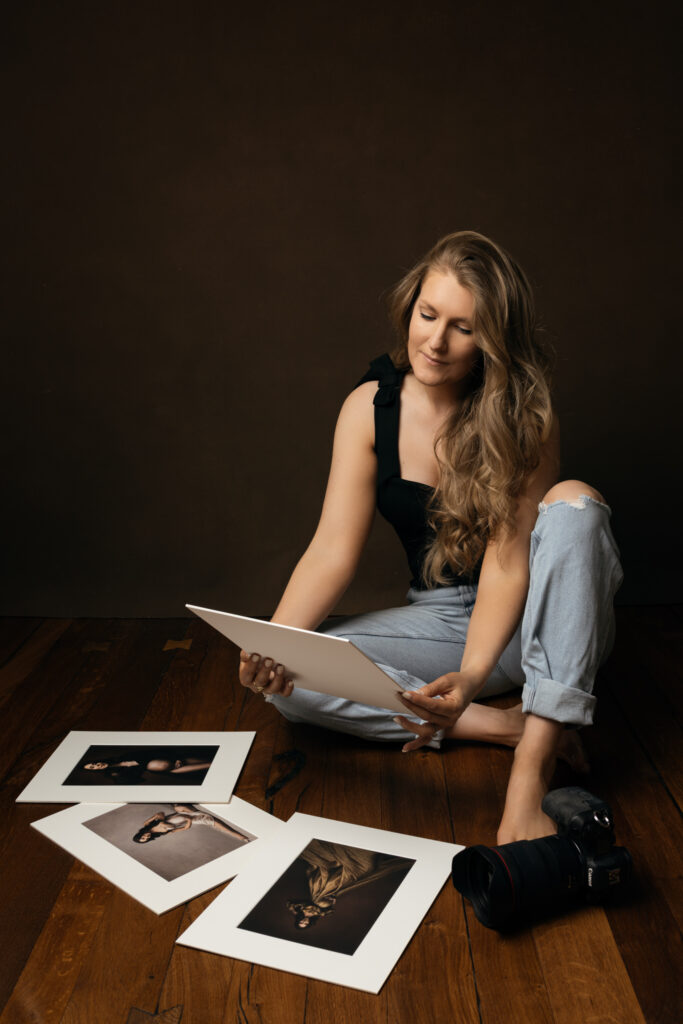
Jag är inte fotogenisk, kan jag ändå göra en porträttfotografering?
Kort sammanfattning på svenska
“Jag är inte fotogenisk.” Det är en av de vanligaste sakerna folk säger när de hör av sig för första gången. Ibland kommer det tidigt, som ett slags förbehåll. Ibland smyger det sig in längre fram i ett meddelande, inbäddat i tankar om att kanske, en dag, vilja göra en session, men att de nog inte är den typen av person som ser bra ut på bild.
Det är sällan en tanke som kommit ur ingenstans. Den har byggts upp under lång tid, av alla de bilder som inte blivit som man hoppades. Telefonen lyfts vid middagsbordet. Någon tar en snabb bild utan att tänka på ljuset, vinkeln eller hur du sitter. Resultatet fångar en sekund utan avsikt, och den sekunden läggs till alla andra sekunder som bekräftat samma sak: att du inte är någon som blir bra på bild.
Problemet är att de bilderna aldrig var skapade för att visa dig från din bästa sida. De säger ingenting om hur du ser ut. De säger allt om omständigheterna de togs under.
En porträttsession fungerar på helt andra villkor. Ljuset väljs med omsorg. Miljön är kontrollerad. Tempot är lugnare. Och du lämnas aldrig ensam att lista ut hur du ska stå, sitta eller vart händerna ska ta vägen. Du guidas hela vägen, med små, stadiga justeringar som tillsammans gör en stor skillnad. Det är en helt annan slags fotografering, och den kräver ingenting av dig utöver att du kliver in i studion.
Ordet fotogenisk kan vara missvisande. Det låter som något permanent. Som om en del människor fötts med en naturlig förmåga att se bra ut på bild, och andra inte. Men det som brukar kallas fotogenik är nästan alltid resultatet av några väldigt vanliga saker som råkat falla på plats: ljus som faller rätt, en vinkel som passar, avslappnad hållning, kläder som fungerar med kroppen, och en fotograf som vet när hon ska ge instruktioner och när hon ska vänta. När de elementen finns på plats ser resultatet annorlunda ut. Inte för att personen framför kameran plötsligt blivit någon annan, utan för att bilden den här gången skapades med avsikt.
Nästan varje fotosession har ett speciellt ögonblick. När allt bara klickar. Jag brukar visa en eller ett par bilder på baksidan av kameran. Inget färdigbearbetat, utan precis så som den landade i kameran bara sekunder tidigare. Det blir tyst en sekund. Ibland smiter ett litet skratt ut. Och sedan, nästan alltid, någon version av samma mening: “Vänta, är det verkligen jag?” Och långsamt känns tanken “jag är inte fotogenisk” inte längre lika självklar.
Om tanken “jag är inte fotogenisk” är det som har hållit dig tillbaka, är du långt ifrån ensam. Det är en av de vanligaste tveksamheterna mina kunder bär med sig in i en session, och den är sällan det hinder du tror att den är. Det räcker att vara nyfiken. Det räcker att ta det där första steget och höra av sig till mig.
the magazine
May 8, 2026


